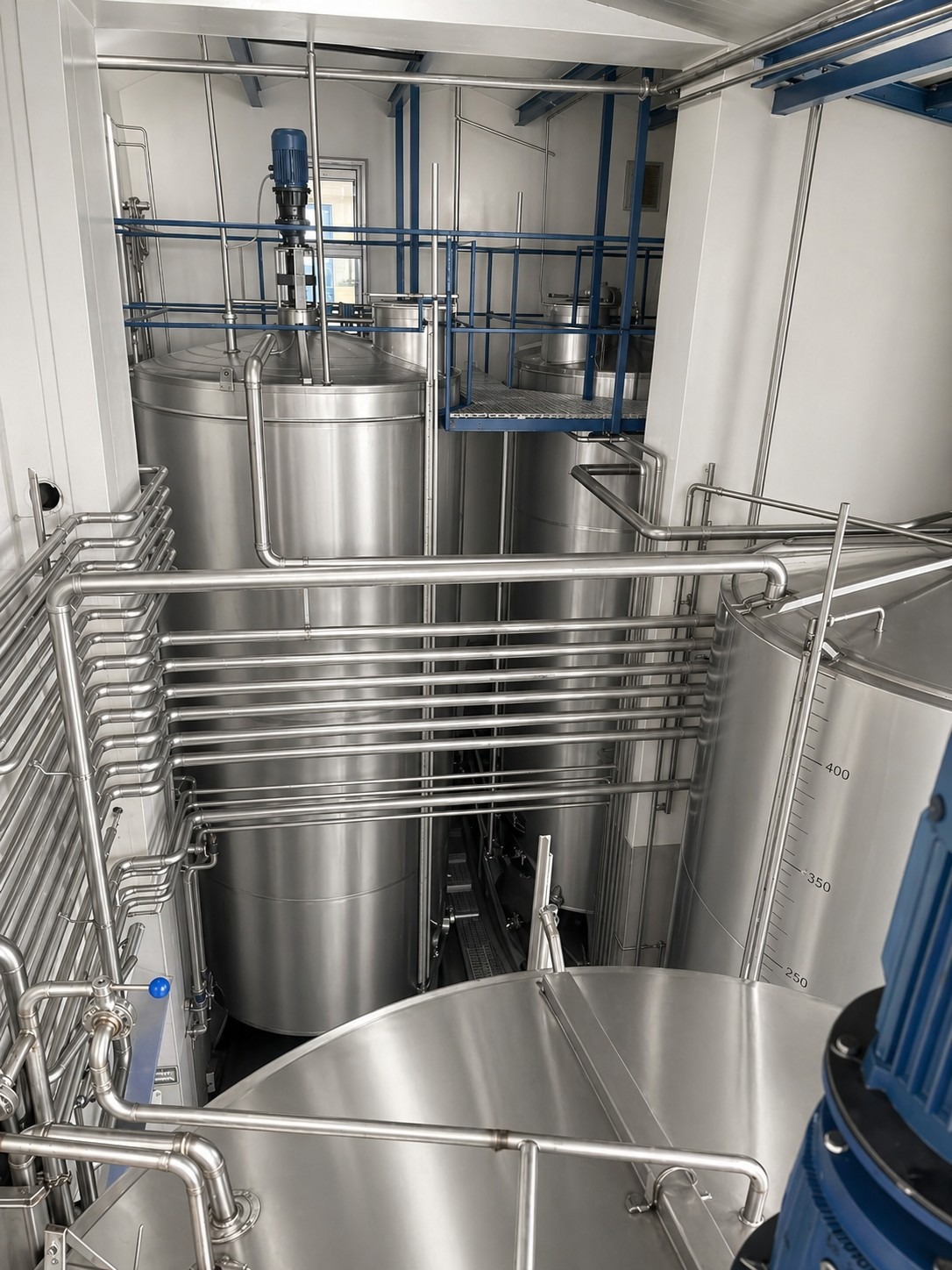
History of VIN-KON S.A.
Over 100 years of industrial tradition in the heart of Konin.
Our history

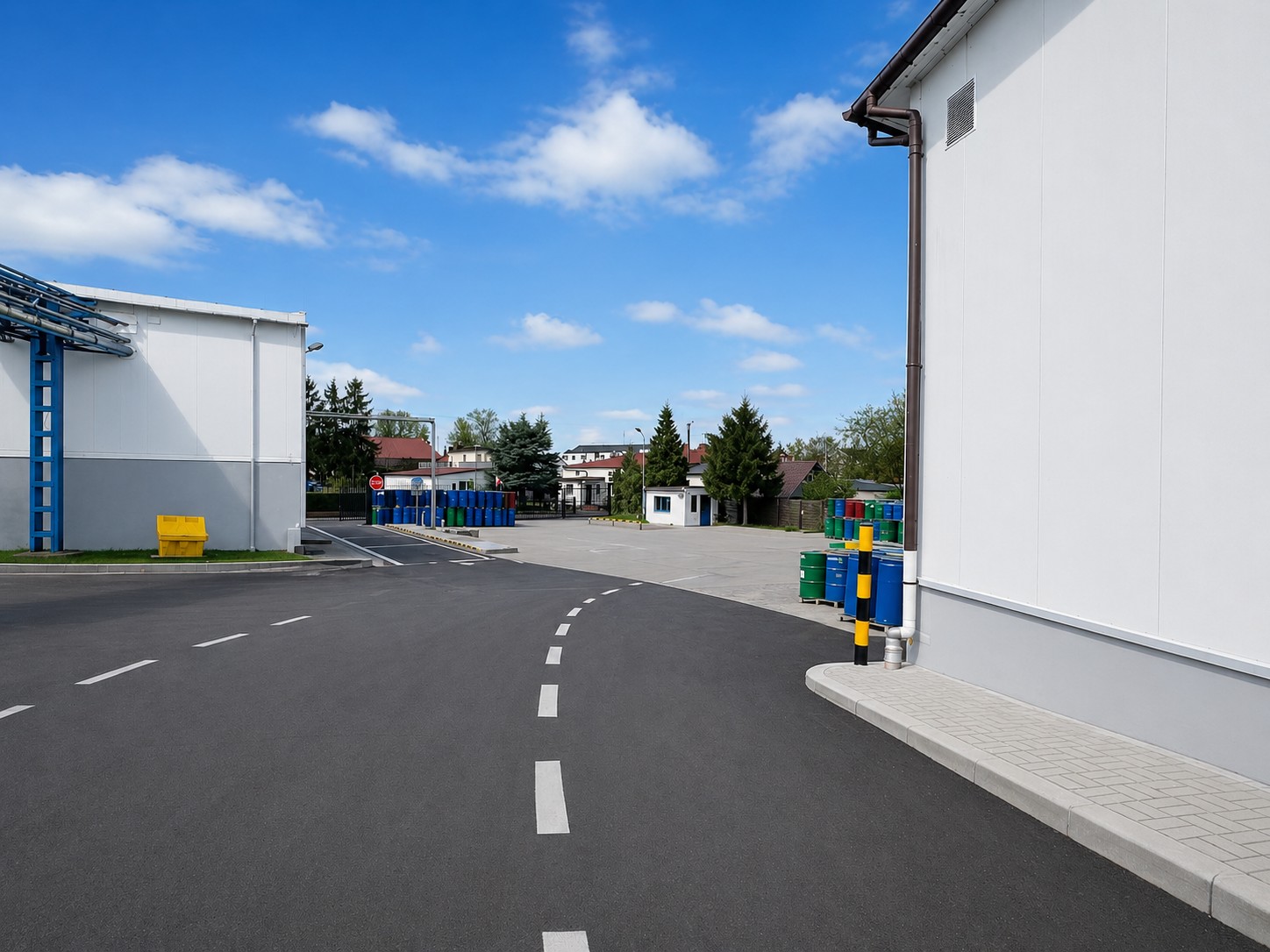
The history of VIN-KON S.A. is closely linked to a unique place in Konin’s industrial history. At today’s 35 Dąbrowskiego Street, where the production plant operates, a brewery was already in operation in the 19th century. It was one of those enterprises that for decades helped shape the city’s economic landscape, combining craftsmanship, food production, trade and local entrepreneurship.
The oldest confirmed mention of brewing beer at this location dates back to 1878, although much indicates that brewing activity may have begun several, or even more than a dozen, years earlier. The names of the owners of the former brewery appear in sources from the second half of the 19th century. Among the brewery’s owners were, among others: August Jahns, E. Kummans, Abraham Jakob Korek, Icek Stain and Wilhelm Paczowski or Paszkowski.
August Jahns holds a special place in this history as the owner of the brewery and, at the same time, an important figure in the social life of Konin. He was the first commander of the volunteer fire brigade in Konin, which began operating in 1870 and was officially recognised by the authorities in 1874. This shows that from the very beginning, the history of the establishment was connected not only with production, but also with the development of the city and its local institutions.
From a craft brewery to a modern production plant
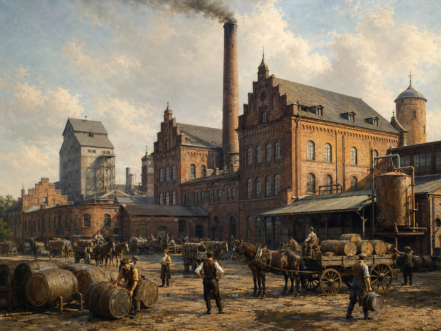
The year 1907 was a turning point for the former brewery. That was when the establishment was acquired by Józef Korab-Kowalski from the heirs of Wilhelm Paczowski or Paszkowski. Just one year later, in 1908, the new owner began an extensive reconstruction and modernisation of the enterprise.
It was a time of intensive development. A malt house was put into operation on the brewery premises, and new buildings necessary for increasingly advanced production were also erected. An office and residential building was constructed, as well as a facility housing rooms for cultivating brewer’s yeast, a hop-drying room and an ice warehouse. These investments demonstrated the owner’s ambitions and desire to transform the local brewery into a modern production plant.
The results came very quickly. Within just a few years, the Józef Kowalski Steam Brewery increased its beer sales almost fivefold. In 1907, sales amounted to approximately 26 thousand buckets, or roughly 3.2 thousand hectolitres. In 1914, the figure was already 125 thousand buckets, or approximately 15.4 thousand hectolitres. Such dynamic growth shows that the Konin brewery was able to respond effectively to market needs and expand its production scale.
This successful period was interrupted, however, by the First World War. Military operations, economic collapse and legal restrictions introduced first by the occupying authorities and then by the administration of the reborn Republic of Poland significantly hindered the operation of the entire brewing industry. Despite these obstacles, the establishment survived, and after several difficult years, modernisation efforts were resumed.
Modernization during the interwar period
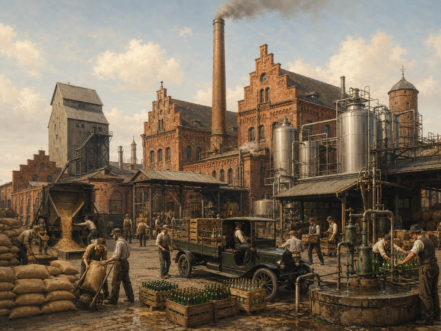
In 1926, the brewery underwent a thorough modernization, adapting it for the production of new varieties of beer. The range included, among others, porter and the so-called nourishing beer — a beverage with low alcohol content that at the time was recommended for breastfeeding mothers and even children.
The brewery was also modernized technologically. Traditional oak vats were replaced with hermetically sealed metal tanks. Fermenting the wort in closed tanks made it possible to obtain carbonic acid, allowing the brewery to expand its operations to include the production of carbonated beverages. This was an example of the practical application of technological processes and the skilful expansion of the brewery’s product range.
During this time, an artesian well was also dug, providing very high-quality water. This was of enormous importance in the production of beer and beverages, as water quality is one of the most important factors affecting the qualities of the finished product.
The brewery also conducted intensive malting operations. It processed large quantities of barley into malt, which was used for its own production needs and sold to other breweries in Poland and abroad. This element of the history is particularly significant because it shows that traditions associated with malt and the processing of grain raw materials have been present at this site for many decades.
Crisis, war and the end of brewing operations
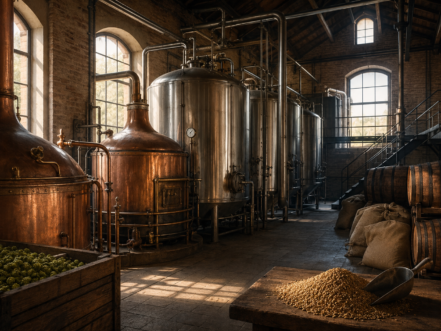
The 1930s were very difficult for the brewing industry. Declining consumption, the economic crisis and the need to reduce costs forced many plants to look for savings. The brewery in Konin also had to adapt to the new conditions. One of the decisions was to abandon bottling beer in company-branded bottles and introduce plain bottles marked with labels.
Despite the difficulties, the plant survived the crisis. The next challenge was the occupation. In the years 1939-1945, the brewery came under German administration and operated as Brauerei Konin Warthegau. Due to supply problems, shortages of raw materials and wartime conditions, mainly light beer was produced at that time.
After the end of the war, in 1945, compulsory state administration was established over the brewery. Initially, beer production continued, but over time operations were limited to bottling beer produced in nearby breweries and manufacturing carbonated beverages. Ultimately, in 1948, the brewery was closed down. However, this did not mean the end of the industrial history of this site. Instead, a new stage began.
From brewery to fruit wine production plant
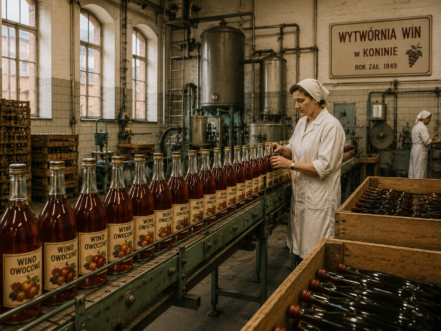
After the brewery was closed, the former buildings at 35 Dąbrowskiego Street were given a new purpose. In the following years, fruit wine production was launched there. This was a natural direction of development in post-war Poland, where fruit and vegetable processing played an increasingly important role in supplying the market.
The Wine Production Plant in Konin gradually became an important production facility in the region. From 1955 to 1972, it operated as part of a state-owned enterprise under the name Konińskie Zakłady Przemysłu Terenowego. Subsequently, from 1973 to 1983, it operated within the structures of the Wielkopolskie Zakłady Przemysłu Owocowo-Warzywnego (WZPOW) in Poznań. Following the reorganization and division of WZPOW, the plant was transformed into Konińskie Zakłady Przetwórstwa Owocowo-Warzywnego. These were the direct predecessor of today’s company.
Establishment of VIN-KON S.A.
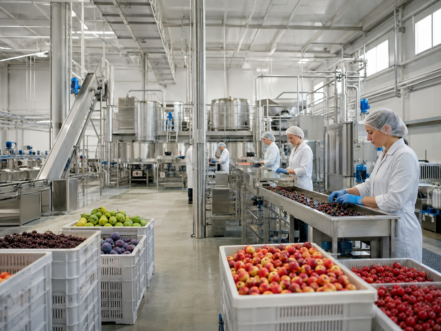
In 1991, during the period of great economic transformation in Poland, VIN-KON S.A. was established as the legal successor to the Konin Fruit and Vegetable Processing Plant. It was a turning point. The plant entered a new market reality in which quality, flexibility, specialization, technological investment and the ability to compete on the domestic and international markets mattered.
The heritage of the former brewery, brewing and malting traditions, experience in the production of fruit wines and many years of fruit and vegetable processing practice became the foundation for the company’s further development. VIN-KON S.A. combined the historical experience of the site with a modern approach to food production.
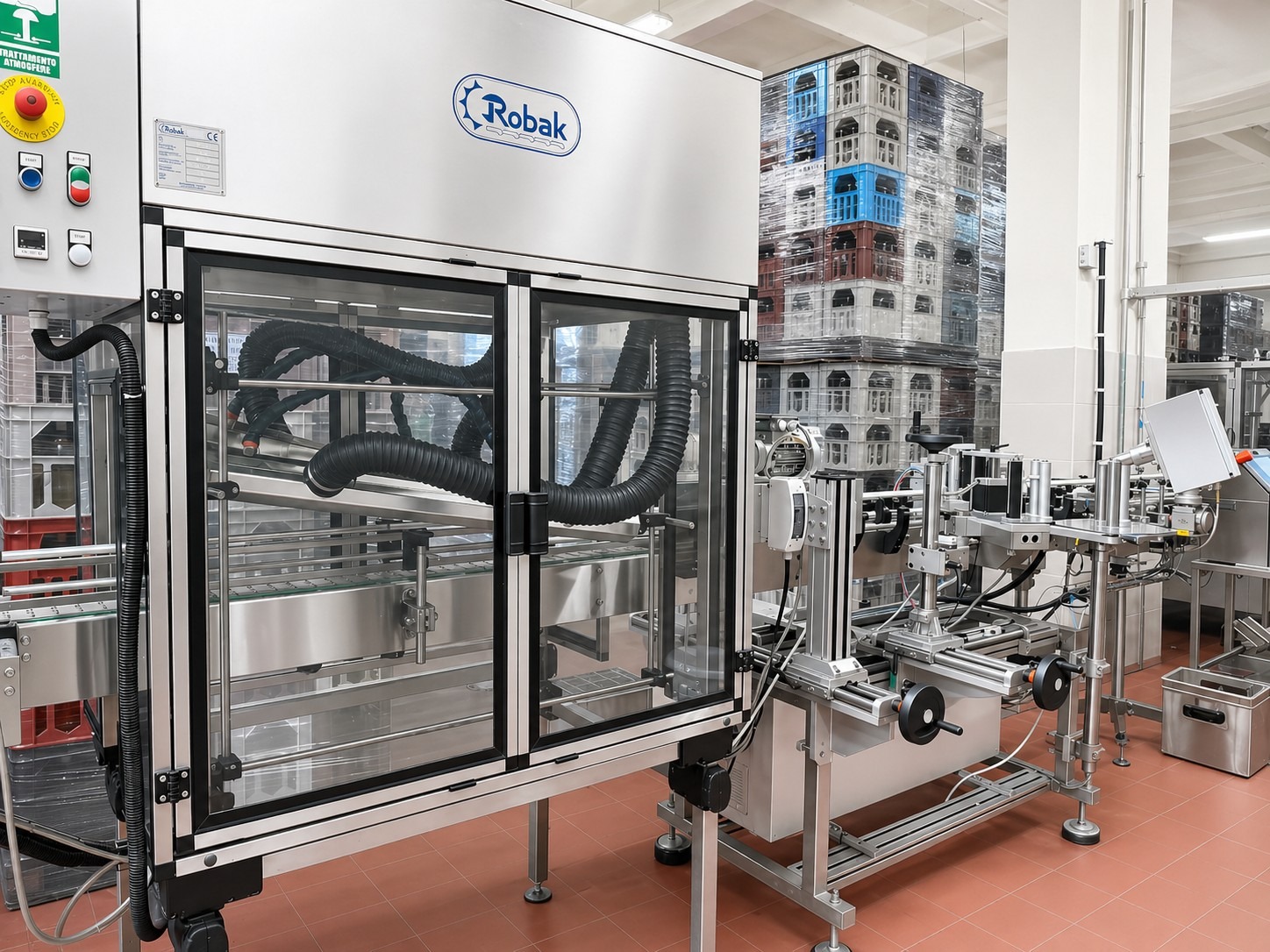
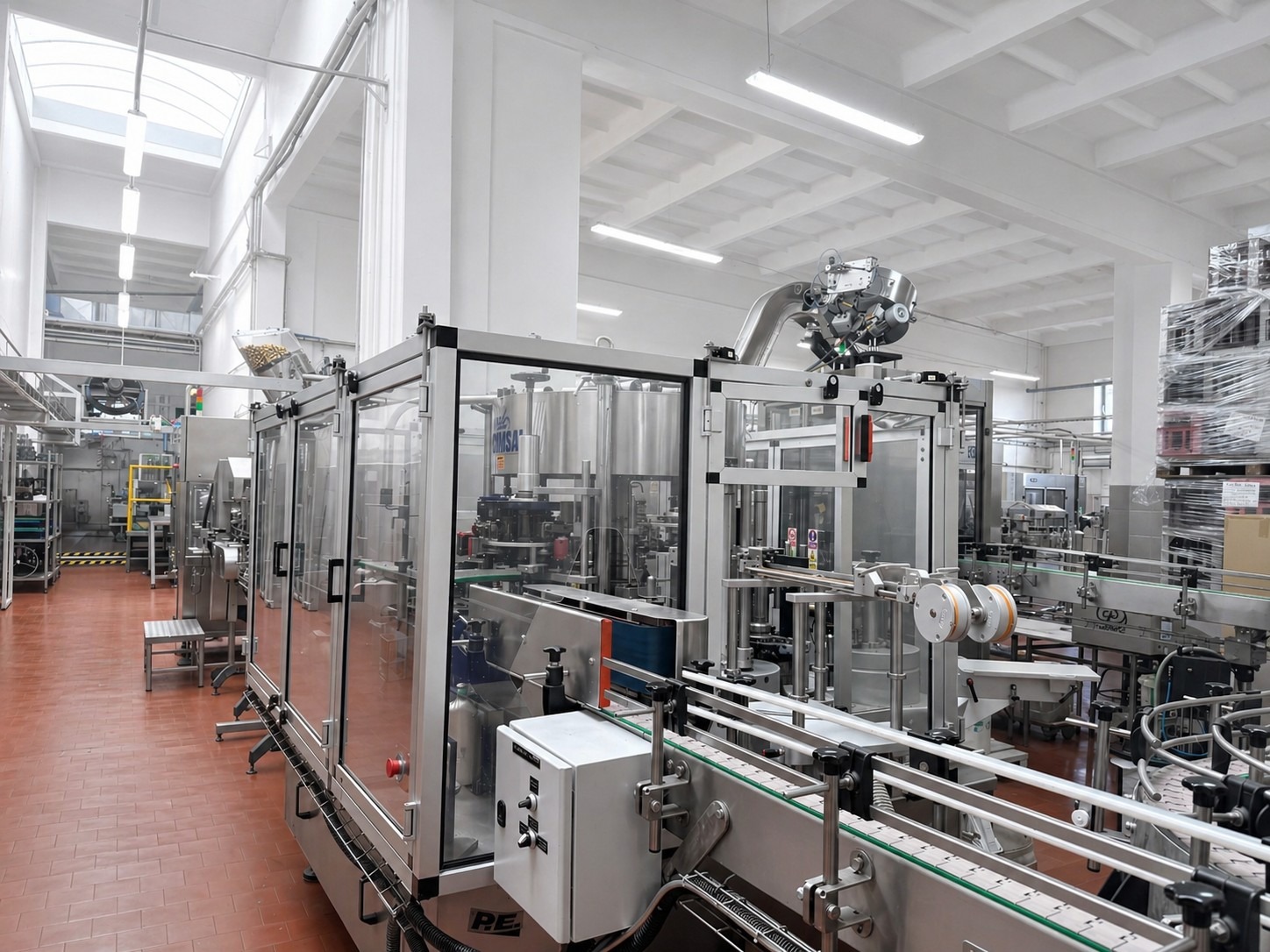
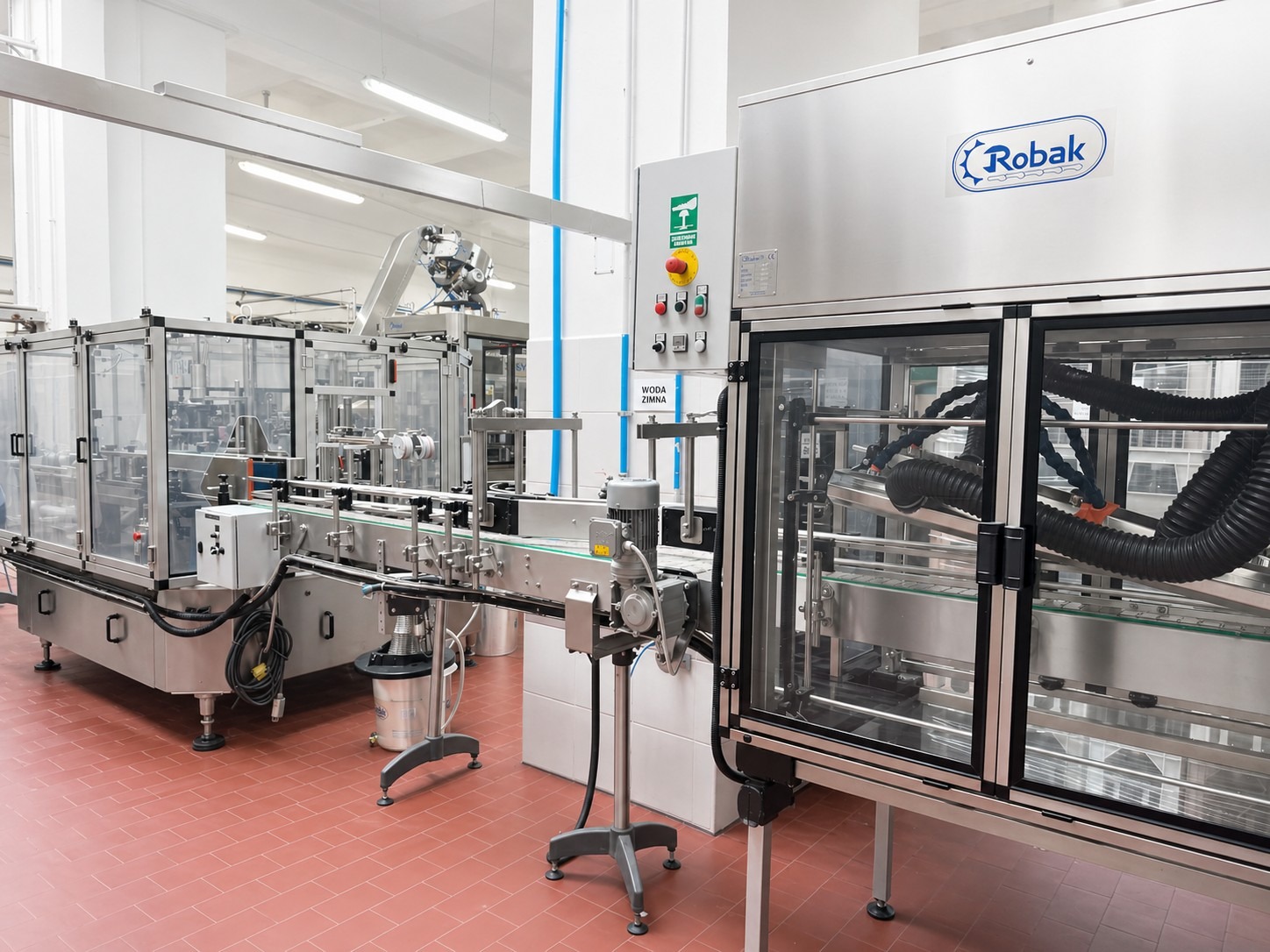
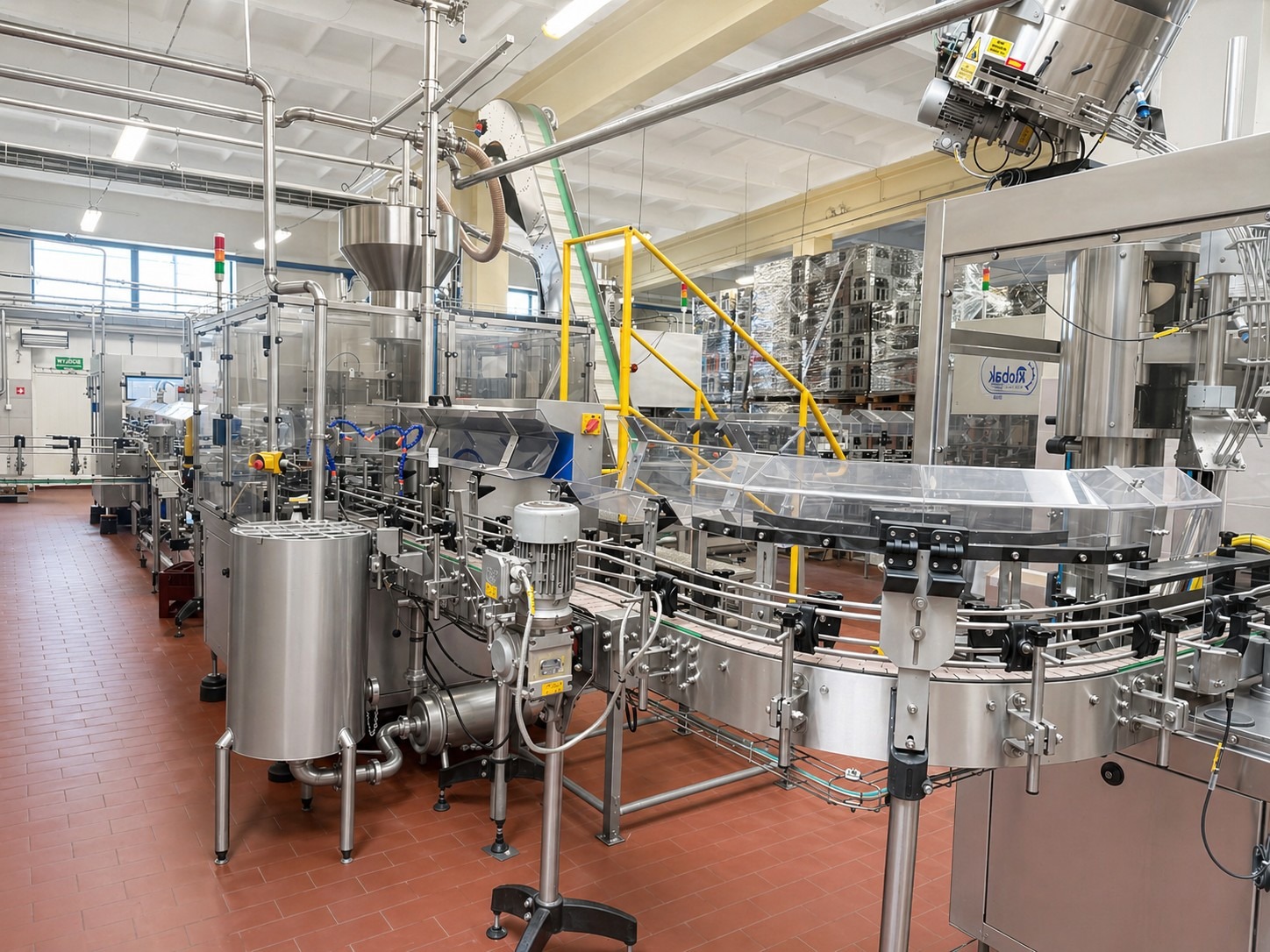
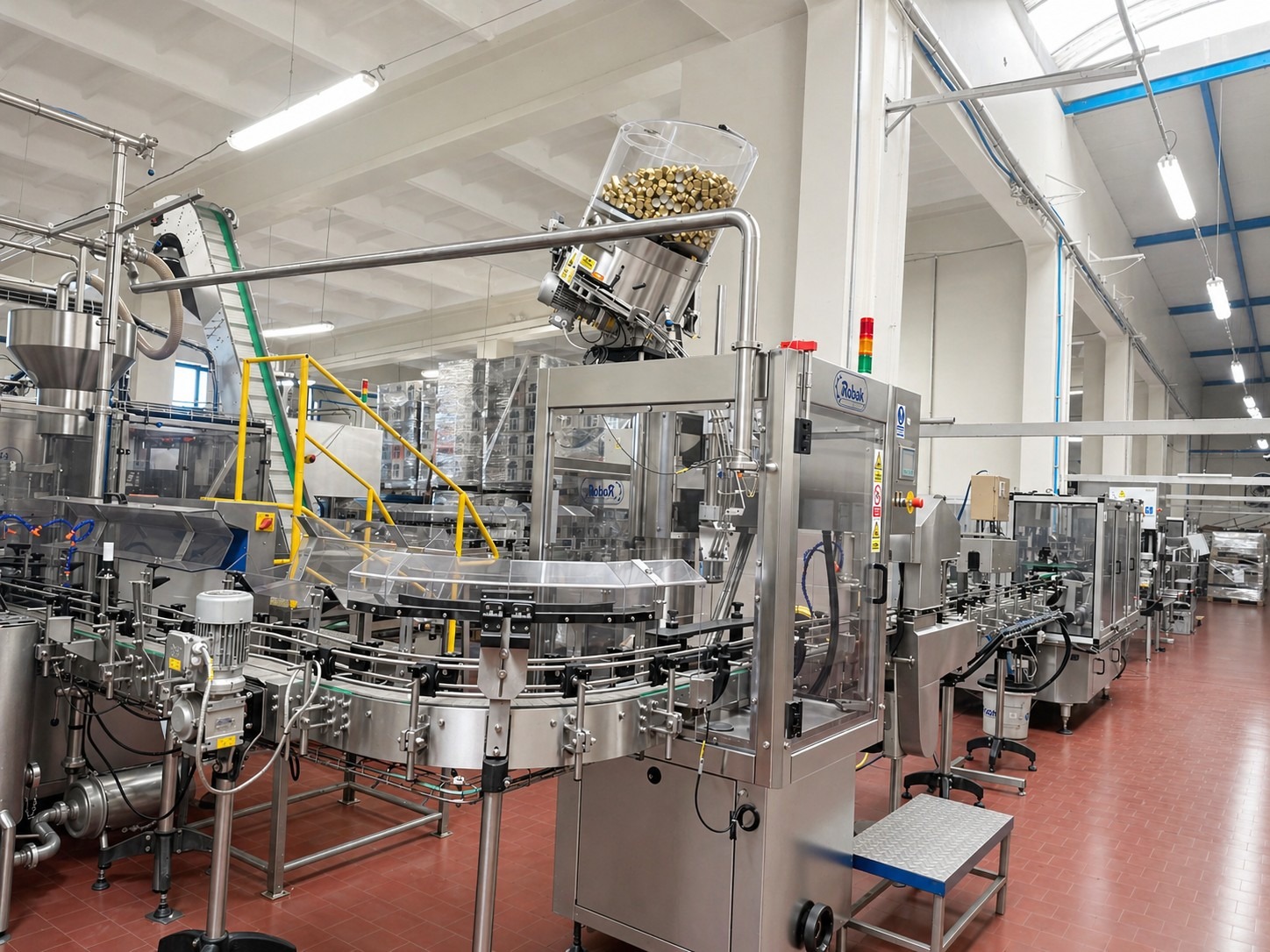
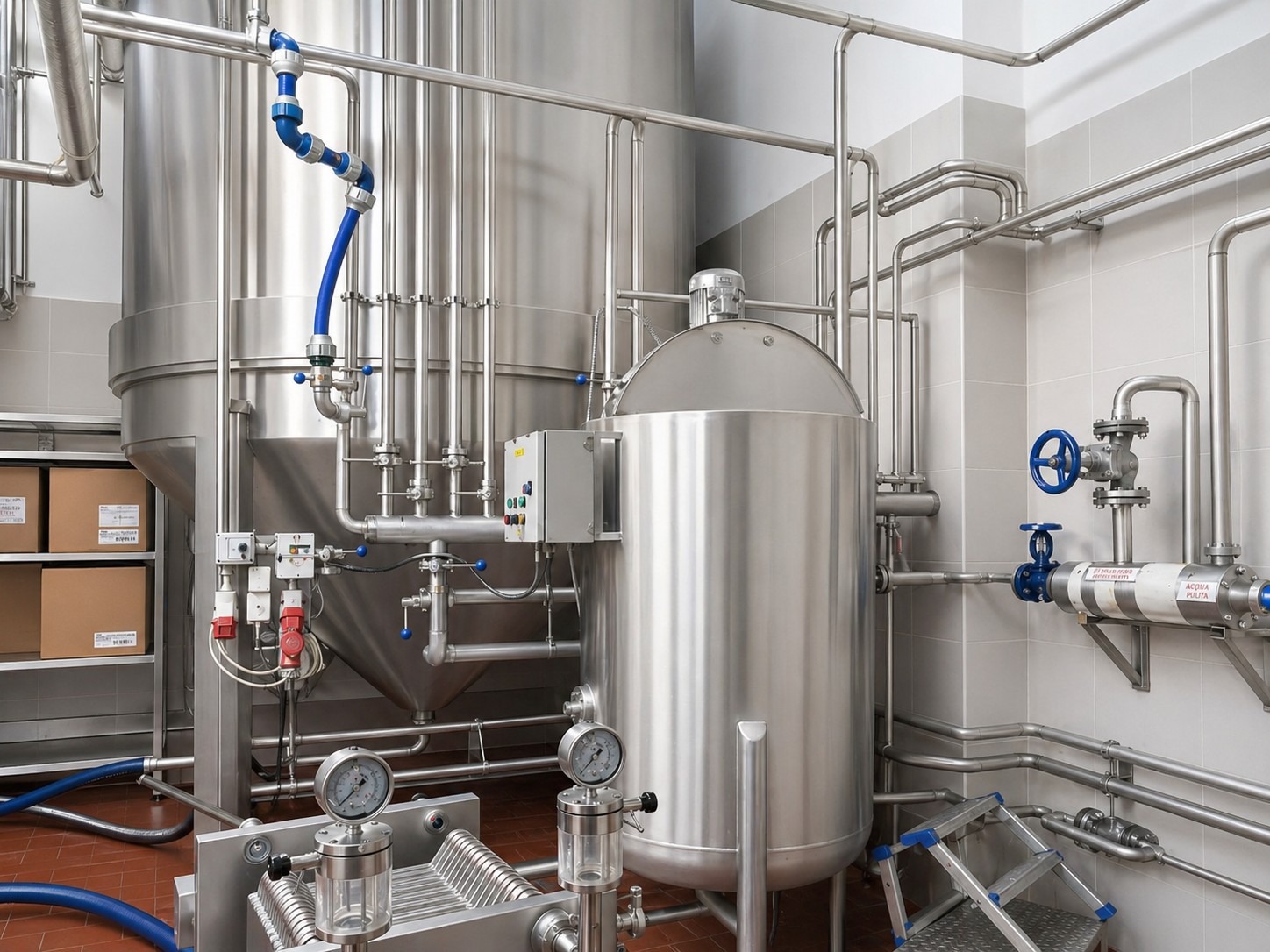
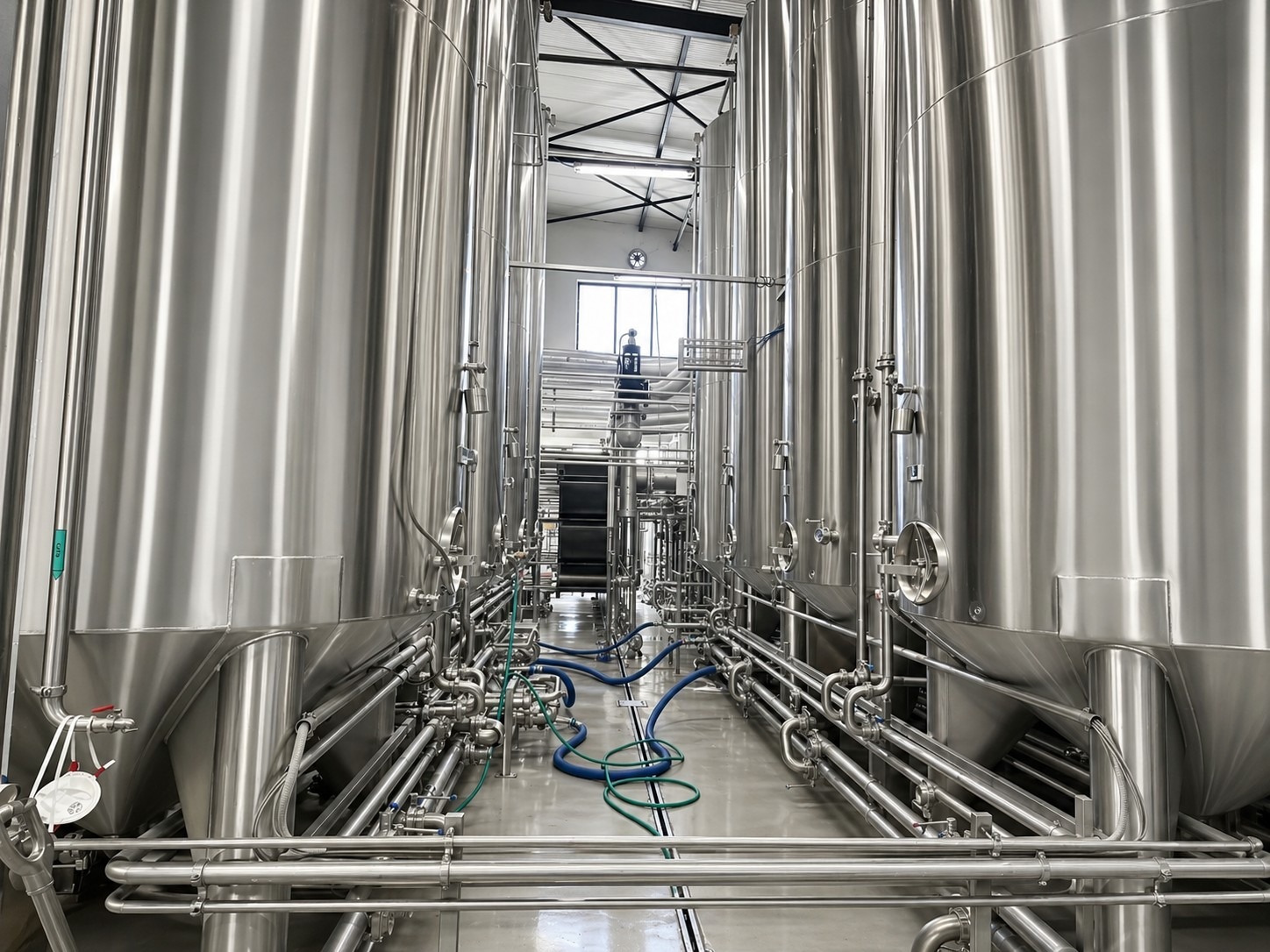
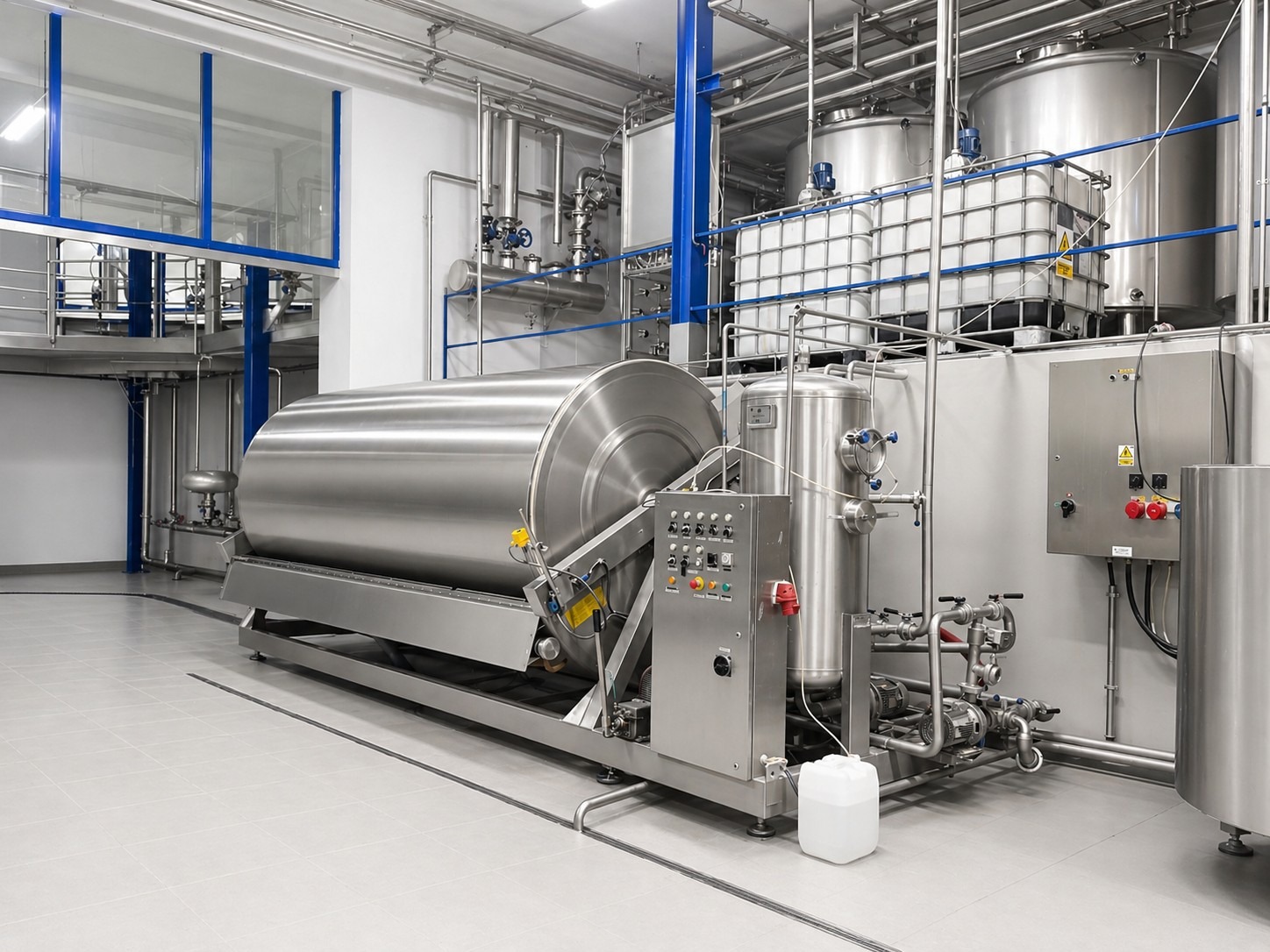
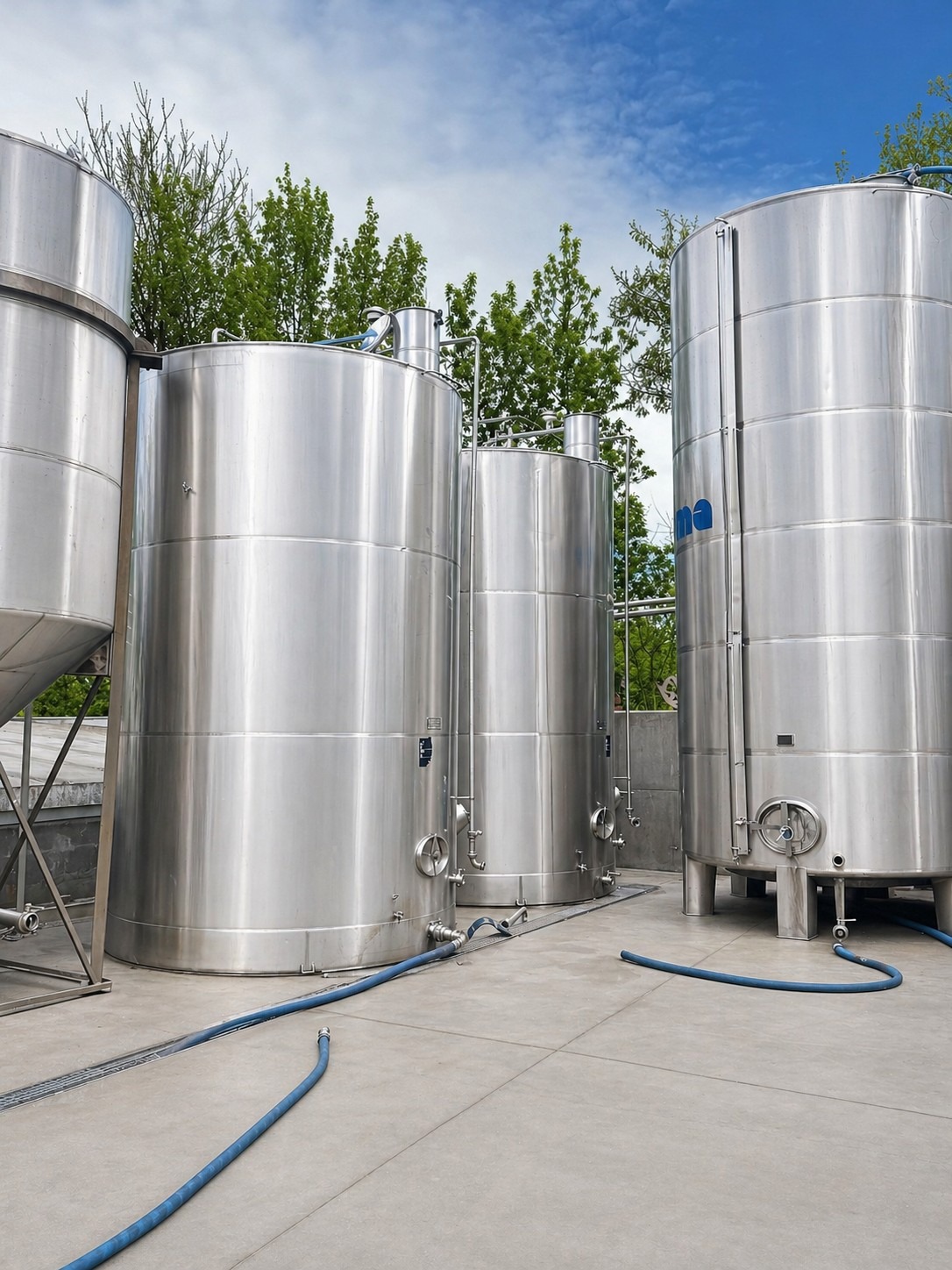
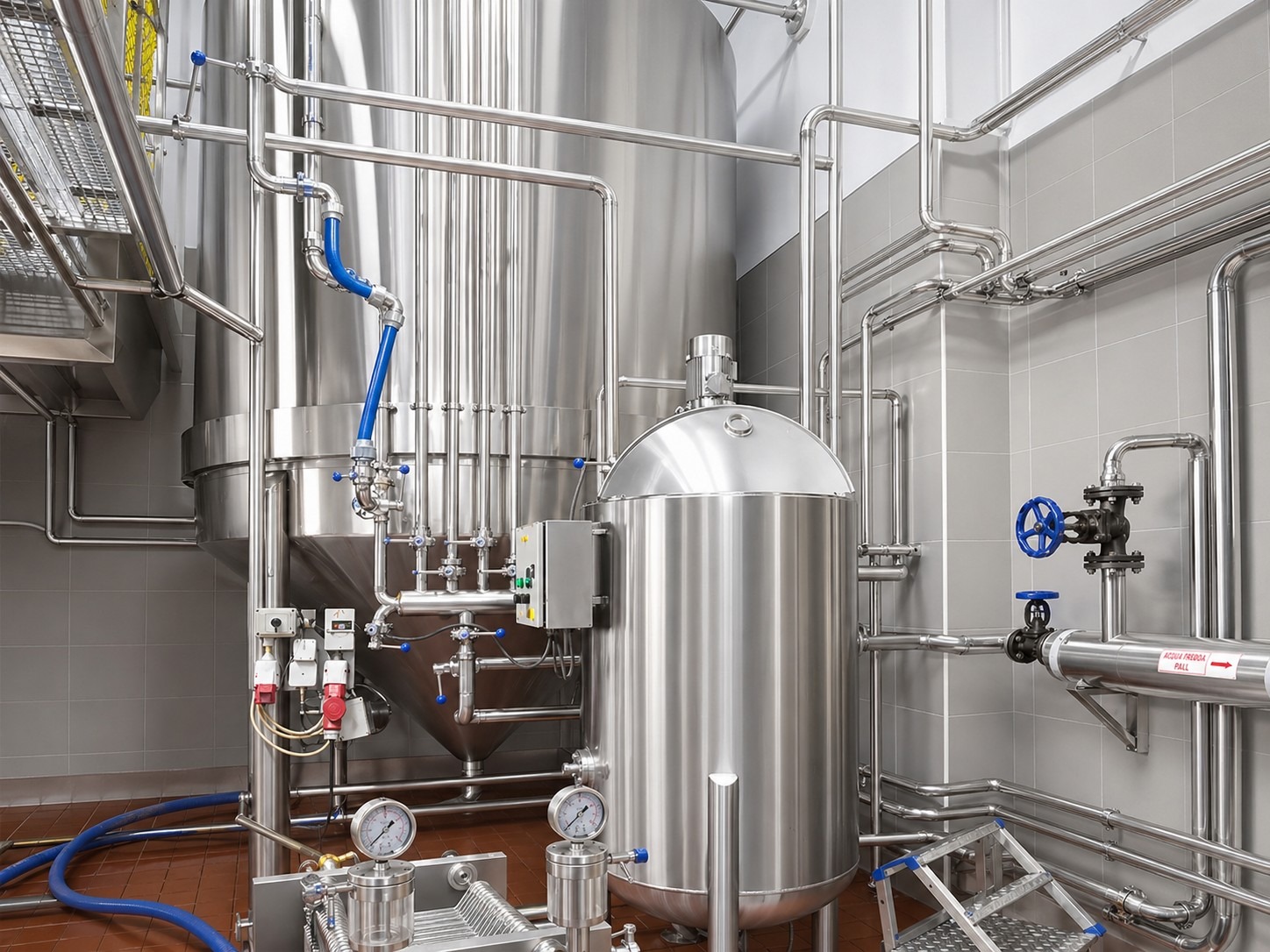
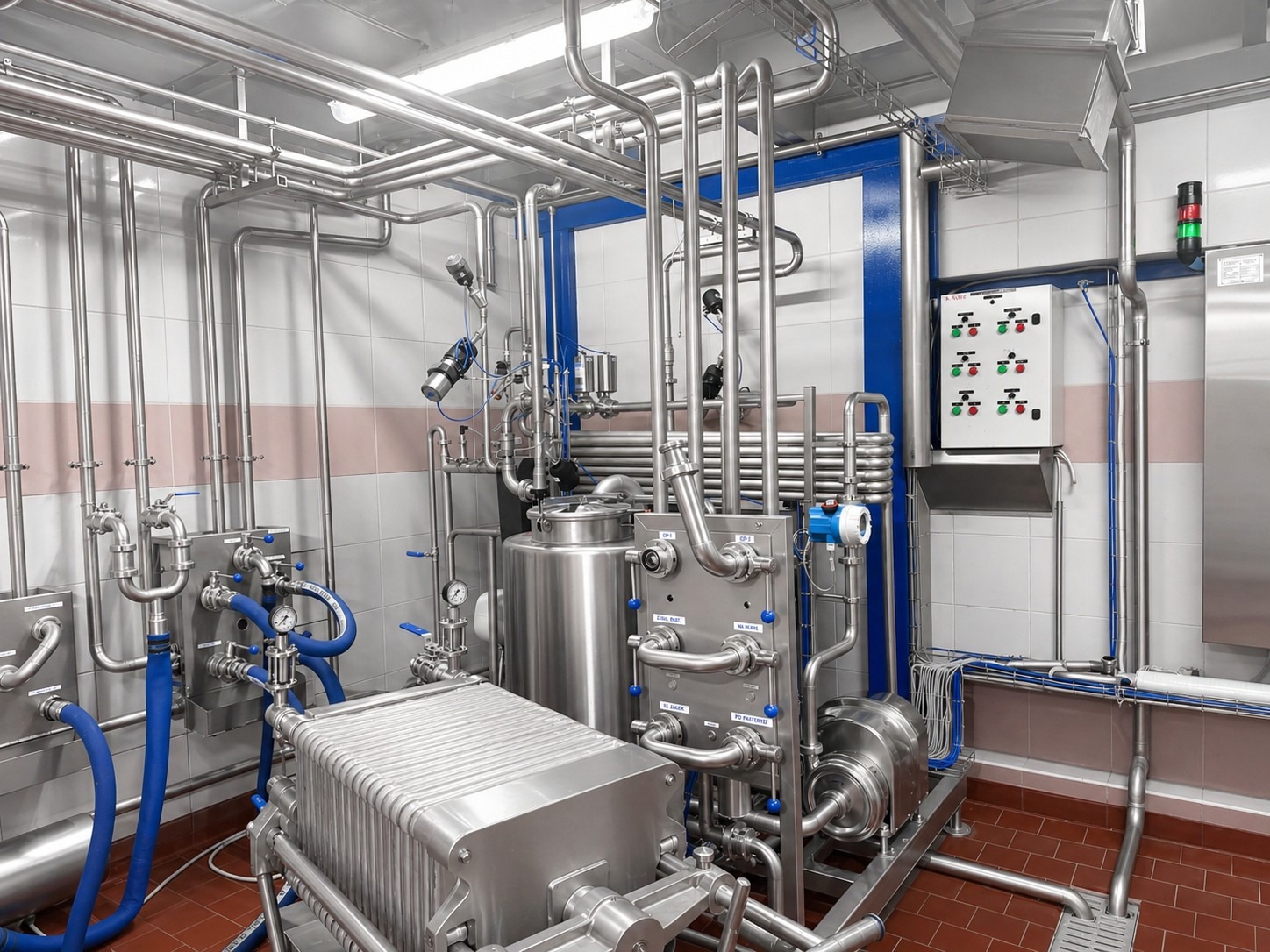
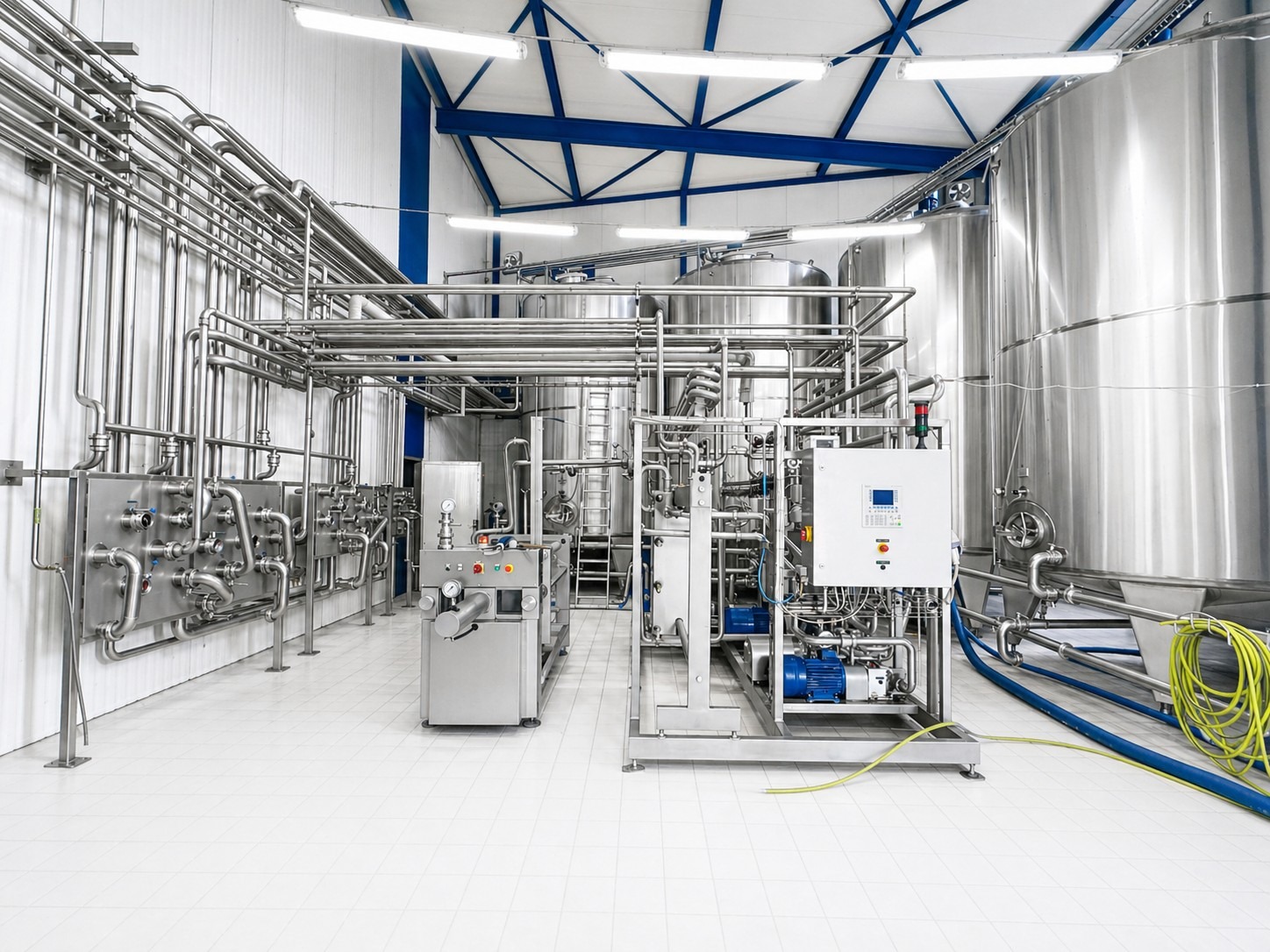
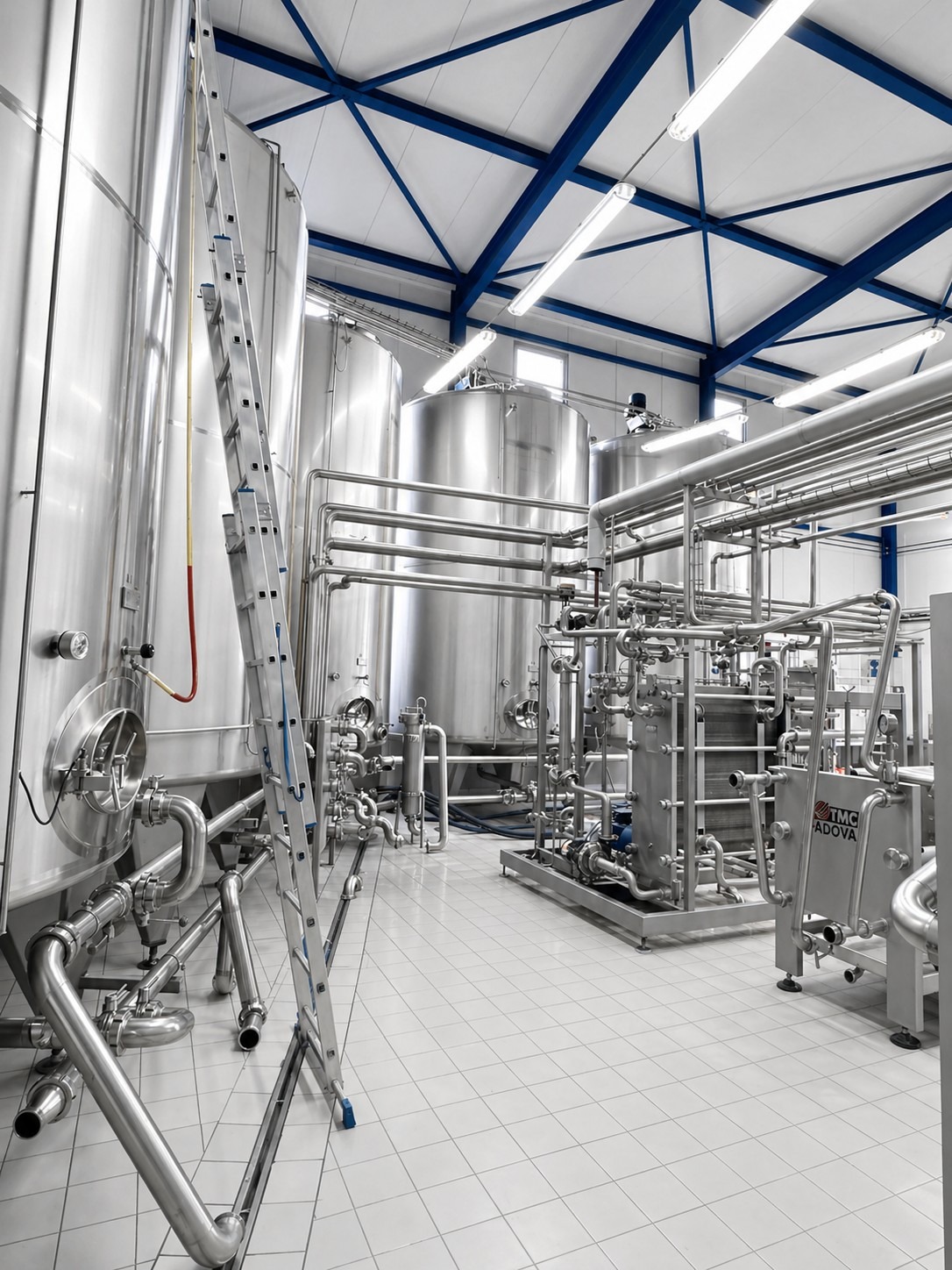
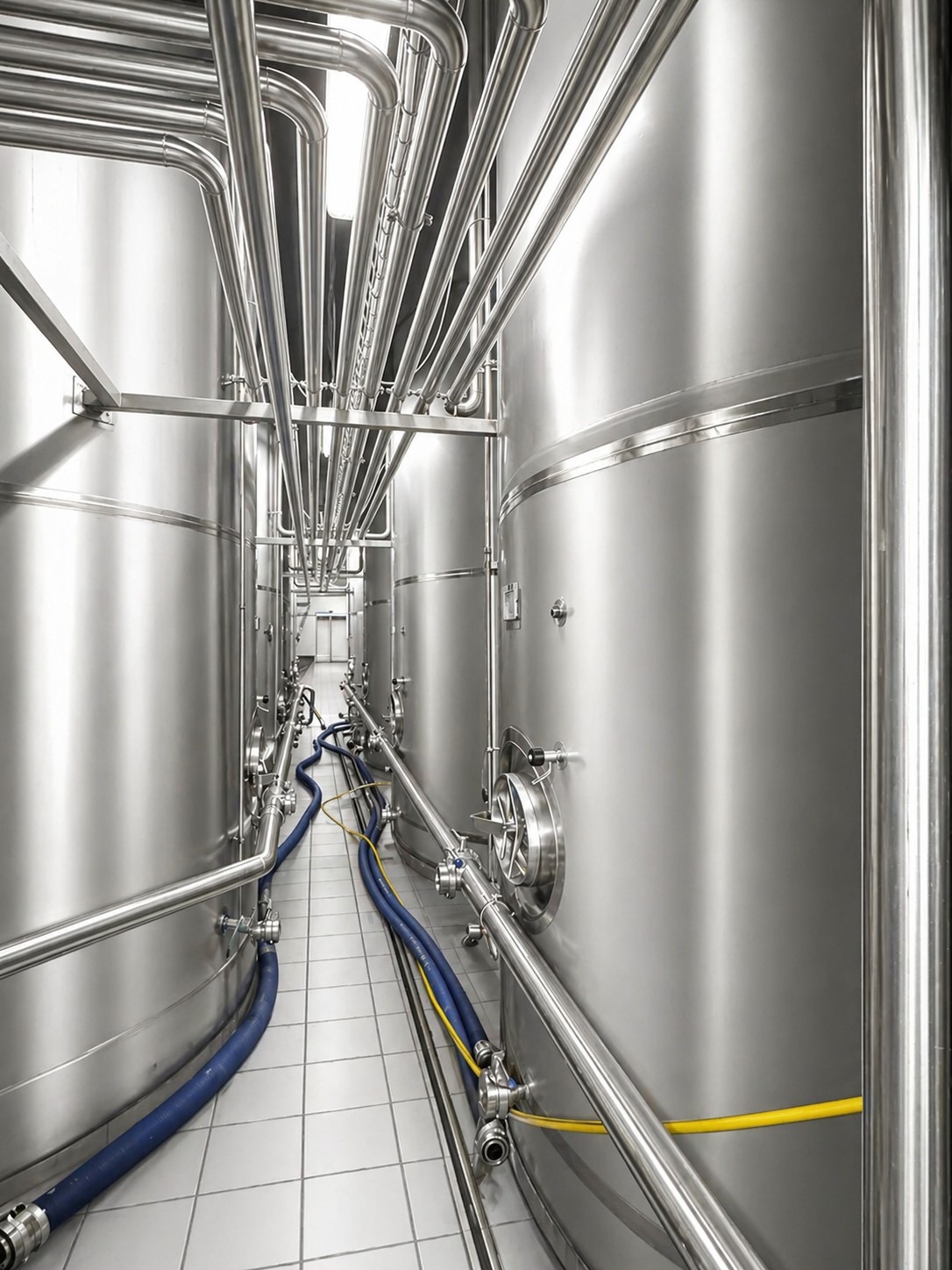
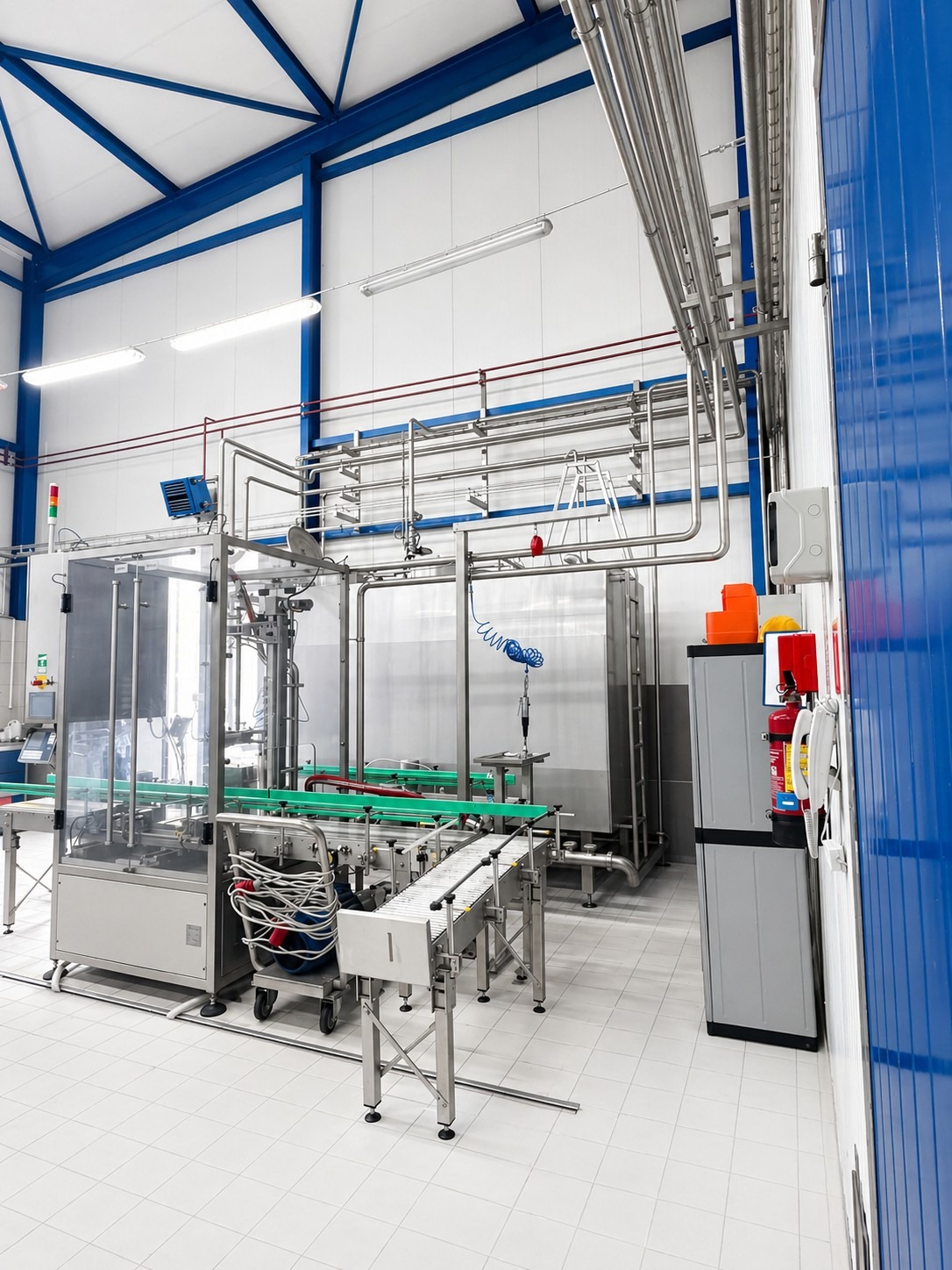
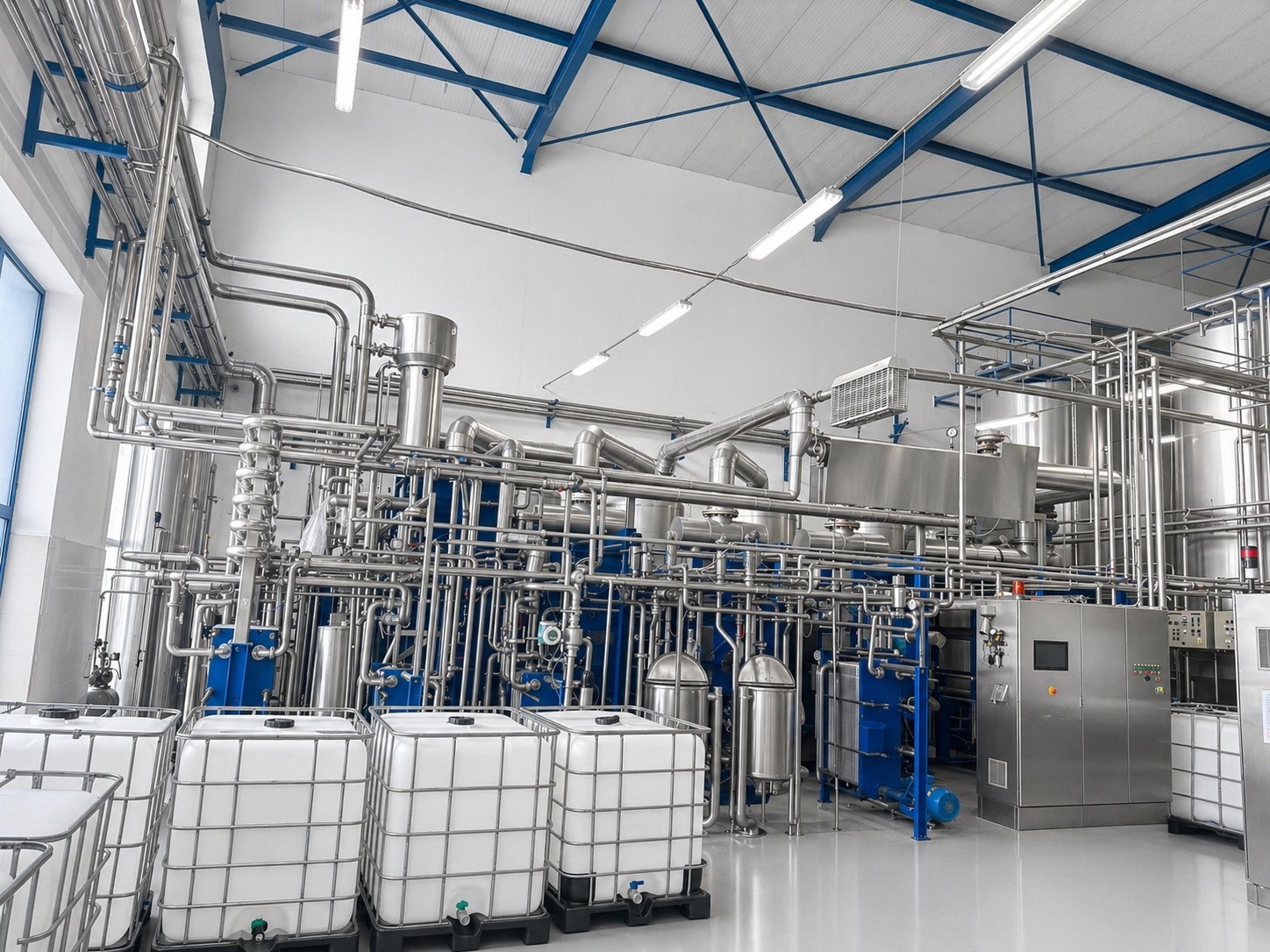
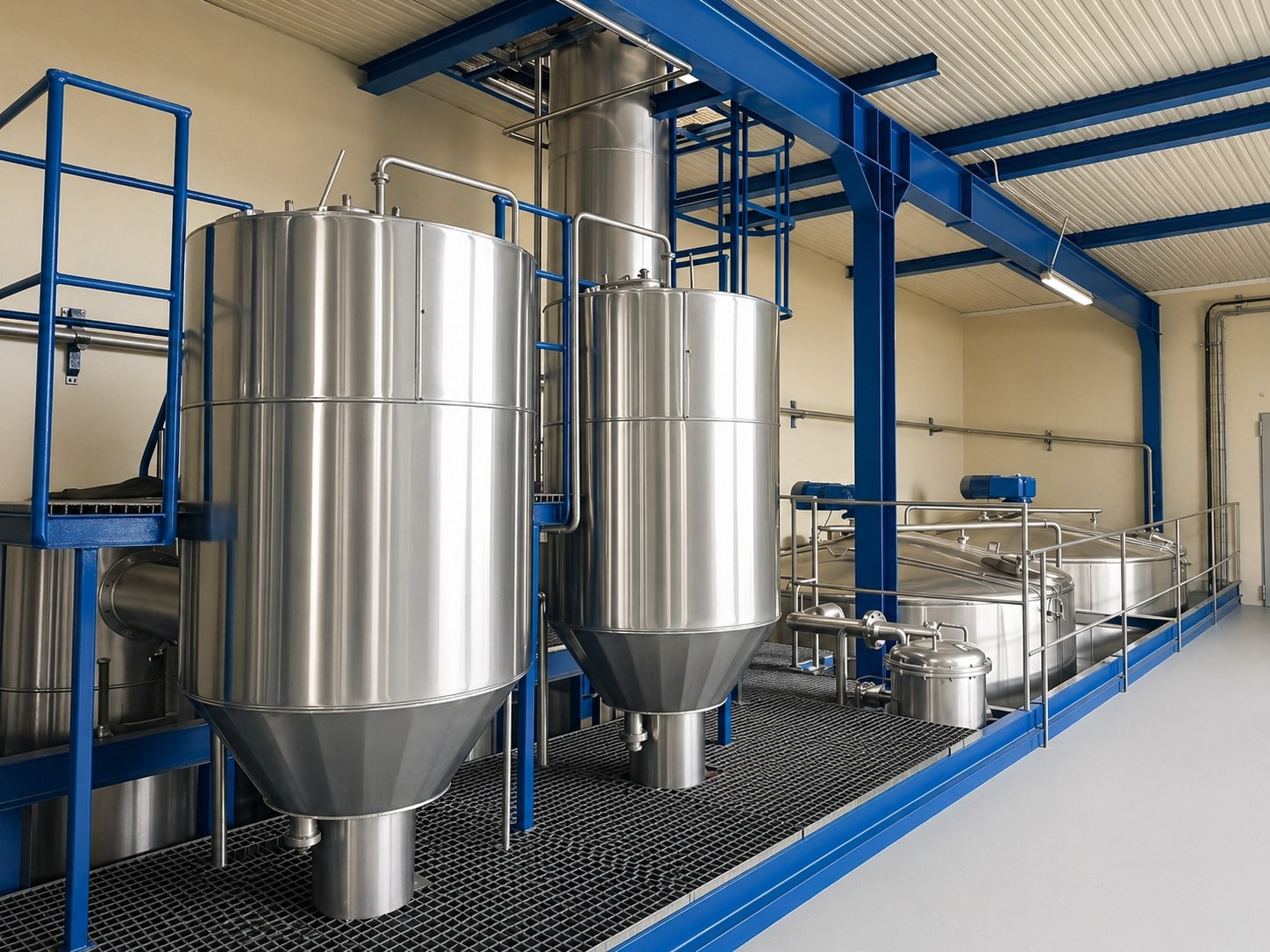
Today, the company continues this long-standing tradition, developing it in new areas. VIN-KON S.A. is one of Poland’s leading producers of fruit and vegetable juice concentrates, beverages, ciders, fruit wines and malt extracts. The company combines industrial experience, knowledge of raw materials, high quality standards and modern technology.
A Legacy That Carries Responsibility
The history of VIN-KON S.A. is not only the story of a single production facility. It is also the story of Konin’s economic transformation, the development of local industry, changing technologies, and the people who created and developed this place over successive generations.
From a 19th-century brewery, through a malting house, the production of beer, carbonated drinks and fruit wines, to modern fruit and vegetable processing and the production of malt extracts — the facility at 35 Dąbrowskiego Street has remained continuously associated with production, quality and entrepreneurship.
This continuity is one of the company’s greatest assets. VIN-KON S.A. did not start from scratch. Its present position has grown out of more than a century of industrial tradition, local experience and the ability to adapt to changing times.
The former brewery became a modern processing plant. The brewing and malting tradition found its continuation in the production of malt extracts. Experience in fruit wines developed into a wide range of beverages, ciders and fruit and vegetable products. And the site that served local production for decades remains an important point on Konin’s industrial map to this day.
VIN-KON S.A. is a company that combines history with modernity. It draws on tradition, but does not remain stuck in the past. It develops technologies, expands its product range and responds to the needs of the modern market, while maintaining respect for the place from which it grew.
The VIN-KON S.A. Factory Today