Bulk Wine — a Flexible Raw Material for the Food Industry and Catering
The modern food market is increasingly looking for solutions that are flexible, consistent and tailored to specific technological processes. For many producers, distributors, processing plants, catering companies and industrial customers, the most important thing is not a finished product in unit packaging, but a stable, well-prepared raw material that can be used in further production.
Bulk wine is a winemaking raw material intended for B2B customers who need a product for further processing, bottling, the production of wine vinegar, marinades, sauces, mulled wine and culinary products.
Bulk wine is not exclusively wine intended for traditional consumption. In many cases, it serves as a technological semi-finished product that becomes the basis for further products. It can be used as an ingredient, flavour carrier, fermentation base, recipe component or raw material for packaging under the customer’s brand.
Thanks to VIN-KON S.A.’s experience in the production of beverages, wines, concentrates, fruit products and raw materials for the food industry, it is possible to prepare wine with parameters tailored to a specific application.
Bulk Wine — a B2B Product
VIN-KON S.A.’s offer is primarily aimed at entities that need larger batches of product with stable parameters. For an industrial customer, consistency, safety, quality control, logistical flexibility and the possibility of adapting the product for further processing are of paramount importance.
Bulk wine can be used by vinegar producers, food processing plants, bottling companies, companies creating products under their own brands, mulled wine producers, delicatessen companies, the catering and hospitality industries, catering services and distributors looking for raw materials to further develop their own product range.
Unlike a retail product, bulk wine is not limited to a specific label, bottle or sales format. Its greatest value lies in the possibility of further use in various production directions. It can become the basis for producing wine vinegar, an ingredient in a sauce, a component of a marinade, a product for bottling, a base for mulled wine or a raw material for creating an entire product line under one’s own brand.
Base for the production of wine vinegars
One of the most important uses of bulk wine is the production of wine vinegars. In this case, the wine serves as a natural alcoholic base which is transformed into vinegar during the acetic fermentation process. The quality of the wine used in this process has a direct impact on the quality of the finished vinegar, its flavor profile, aroma, acidity and stability.
For vinegar producers, key parameters include alcohol content, acidity, sensory purity, absence of undesirable notes, microbiological stability and consistency between successive batches. Bulk wine can be prepared as a raw material for producers of white and red wine vinegar, wine-and-fruit vinegars, as well as vinegars intended for the food service and food industries.
This type of raw material can be used to create products with different characteristics. More delicate white wine vinegar works well in salads, marinades, vegetable pickles and sauces. More pronounced red wine vinegar can be used for meat marinades, sauces, Mediterranean cuisine dishes and premium products. It is also possible to create wine-and-fruit vinegars in which the character of the wine combines with notes of apple, cherry, currant, chokeberry or other fruits.
For industrial plants, it is particularly important that bulk wine can be delivered in the appropriate logistical format and quantity, making it easy to incorporate into the production process.
Raw material for further bottling
Bulk wine can also be used as a base for further packaging. The buyer can purchase a larger batch of the product and bottle it under their own brand, in the selected packaging, with their own label and tailored sales communication.
This solution is attractive to companies planning to develop their own wine offering but lacking a full production facility or wishing to benefit from the technological expertise of VIN-KON S.A. Bulk wine can serve as a base for fruit wines, dessert wines, flavored wines, seasonal products, culinary wines or products intended for regional, wholesale or retail chain sales.
For a B2B customer, this means the opportunity to enter the market faster with their own product, without having to invest in the entire production infrastructure. VIN-KON S.A. supplies raw material that can become the basis of a finished product tailored to the buyer’s sales strategy.
Bulk wine as a private-label brand base
Bulk wine fits perfectly into the Private Label production model, that is, production under the customer’s brand. In this model, the buyer can develop their own product line using the technological facilities, experience and production capabilities of VIN-KON S.A.
It is possible to prepare products for retail chains, distributors, importers, food service companies, regional brands and businesses creating occasional or seasonal products. Bulk wine can be used to create fruit wines, dessert wines, culinary wines, mulled wine, vinegar bases, food service products or special lines for a specific customer.
The greatest advantage of the Private Label model is its flexibility. The customer can specify what type of product they need, which group of customers they want to target and in what format they intend to sell it. VIN-KON S.A. can then prepare the appropriate raw material base and support the customer in adapting the product to market requirements.
Bulk wine for the food industry and catering
In the food industry and catering, wine is often used as a culinary ingredient. It gives products depth of flavour, acidity, aroma, refinement and a distinctive note that cannot easily be replaced with an ordinary acidic additive.
Bulk wine can be used as an ingredient in sauces, marinades, ready meals, delicatessen products, pâtés, meat products, reductions, catering bases and semi-finished products for professional kitchens.
Consistency is particularly important in the food industry. A producer of sauces, marinades or ready meals must be sure that each subsequent batch of raw material will maintain a similar quality profile. Wine used as a technological ingredient should have a defined level of acidity, an appropriate sensory profile, stable colour and proper taste purity. This makes the flavour, structure and quality of the final product predictable.
Solutions for HoReCa
The HoReCa sector, including hotels, restaurants, catering and professional food service, can use bulk wine in many ways. It does not always have to be sold as classic wine for consumption. It often becomes a practical ingredient in the kitchen, catering facilities or seasonal offerings.
Bulk wine can be used to prepare sauces, reductions, marinades, stews, desserts, mulled wine, punches, seasonal beverages and cocktails. It can also be supplied in larger food-service packages, which are more convenient and economical than traditional retail packaging.
In catering, convenience, price, stability and ease of use matter. Bulk wine helps reduce unit costs, minimise packaging waste and provide the kitchen with constant access to a product with consistent properties.
VIN-KON S.A. can offer solutions tailored to the needs of professional food service — practical, safe and prepared with the daily work of the kitchen and HoReCa facilities in mind.
Base for producing mulled wine and seasonal products
Bulk wine can be an excellent base for producing mulled wine and other seasonal products. Mulled wine products combine the character of wine with spices, fruit, aromas and flavourings. Depending on the recipe, it is possible to create a classic, spiced, fruity, honeyed, citrus or more regional product.
Using bulk wine as a base, it is possible to prepare classic, apple, cherry, chokeberry, blackcurrant, spiced, honeyed or citrus-flavoured mulled wine. Such a product can be intended for both retail sales and catering, hotels, fairs, seasonal outlets or private-label brands.
Bulk wine offers considerable recipe flexibility in this area. The level of sweetness, spice intensity, colour, aroma and final character of the product can be selected. This allows the customer to create a simple and economical mulled wine or a premium product intended for sale in a higher market segment.
Base for flavoured products
Bulk wine can also be used as a base for flavoured beverages and products. Combining wine with juices, fruit concentrates, aromas, spices or herbs makes it possible to create products with a broad flavour profile.
Possible variants include apple, cherry, blackcurrant, chokeberry, spiced, herbal, dessert or aperitif-inspired products. Such products can be created as seasonal lines, limited-edition products, offerings for catering, private-label products or specialist products for distributors.
For companies seeking new sales categories, bulk wine is an interesting base for experimenting with recipes and developing products tailored to current consumer trends.
Bulk wine in the production of marinades, sauces and preserves
Another important area of application for bulk wine is the production of marinades, sauces and preserves. Wine can influence the flavour, aroma, acidity and character of a product. In marinades for red meat, poultry, game or grilled products, it can add depth and a refined profile.
In sauces, wine can serve as a flavouring ingredient that enriches the composition and makes it possible to achieve a more sophisticated result. In brines and preserves, it can support the product’s acidic and aromatic profile. In ready meals, it can be an element that builds the character of regional, Mediterranean or traditional cuisine.
For industrial manufacturers, it is important that bulk wine can be supplied in quantities and packaging appropriate to the scale of production. This makes it easy to use as a regular recipe ingredient.
Parameters Important for Industrial Customers
In the case of bulk wine, technological parameters are the most important. For a B2B customer, it is not only the taste that matters, but also stability, compliance with process requirements and the predictability of each batch.
The most important parameters include: alcohol content, acidity, residual sugar level, colour, clarity, flavour and aroma profile, microbiological stability, sensory purity and the possibility of adapting the product to its further application.
Different parameters will be important for a wine vinegar producer, others for a plant producing marinades, and still others for a company creating mulled wine products. Therefore, VIN-KON S.A. can treat bulk wine not as a rigid product, but as a raw material that can be adapted to the needs of a specific customer.
This approach is particularly important in long-term B2B cooperation. The customer expects the raw material to be not only available, but also consistent, predictable and compliant with the agreed requirements.
Bulk Wine Delivery Options
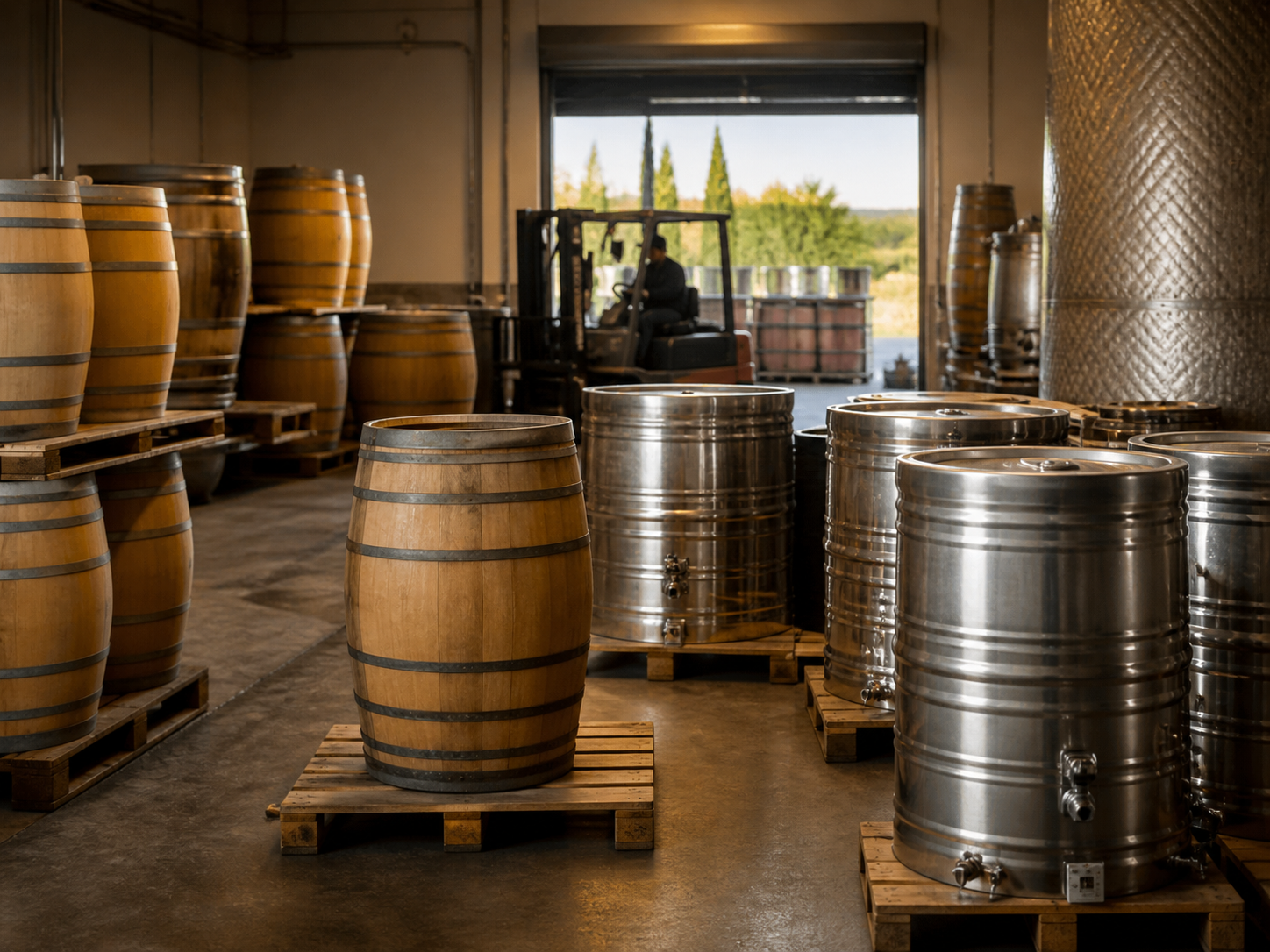
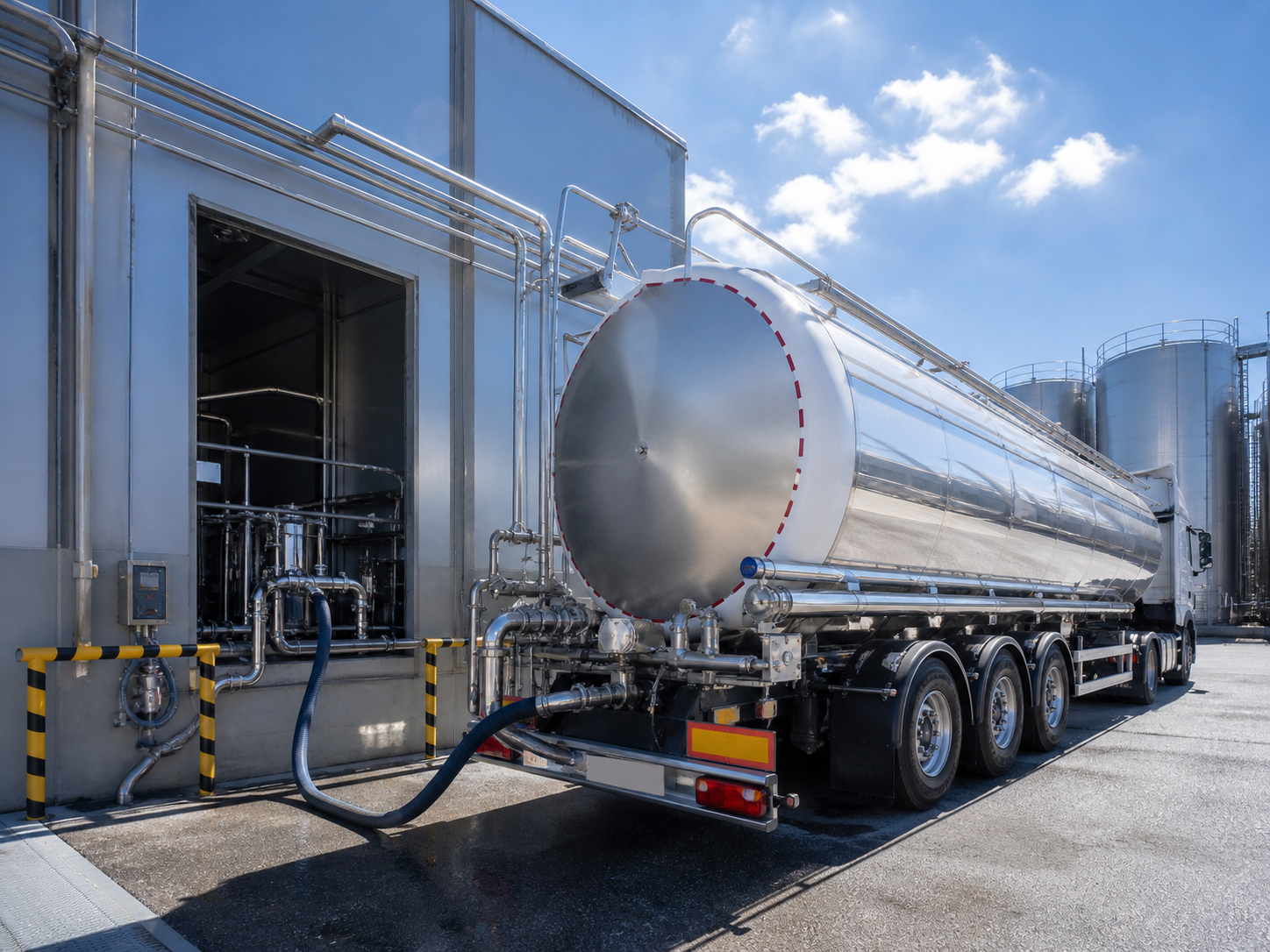
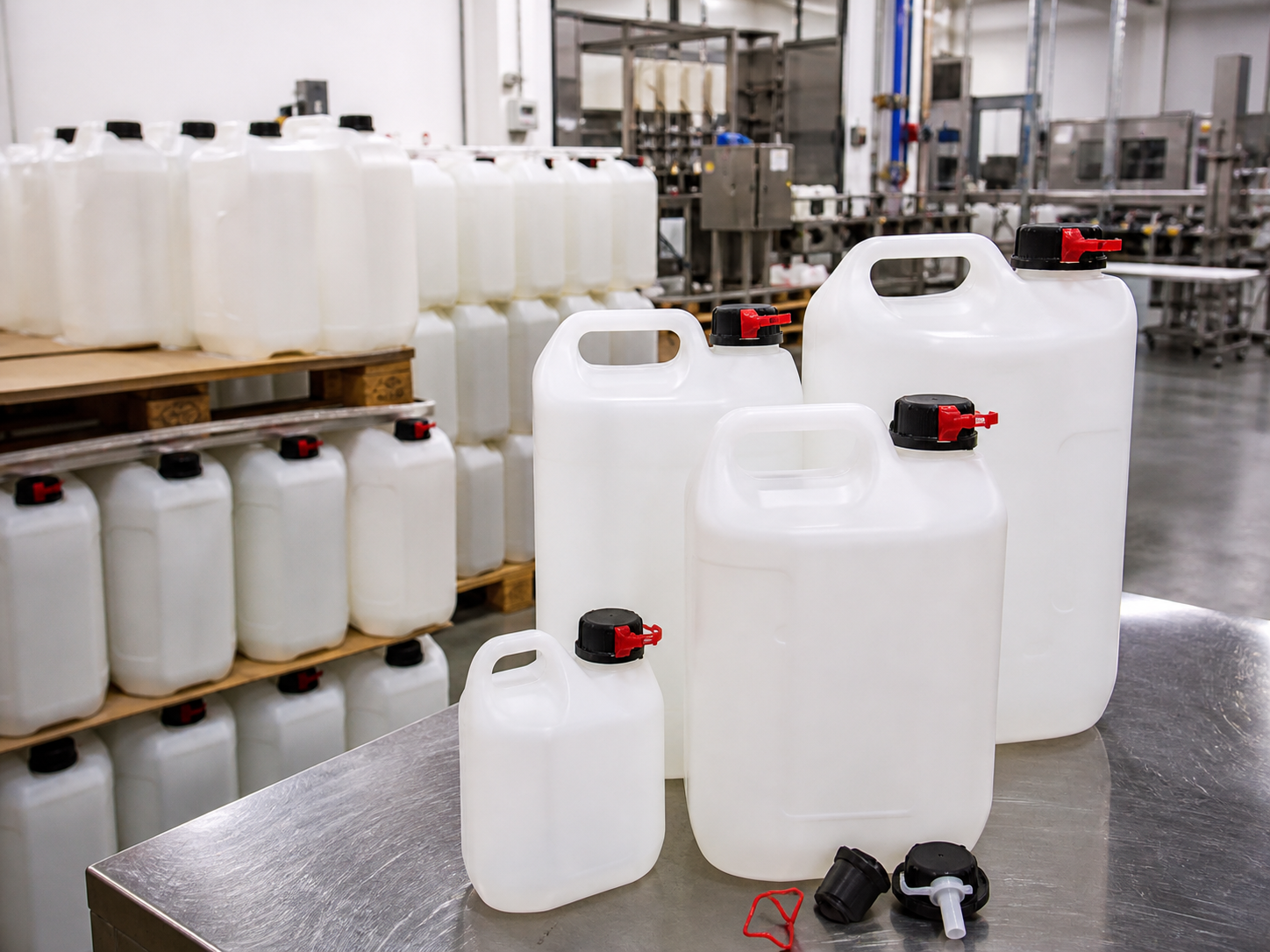
Depending on the customer’s needs, order volume and intended use of the product, bulk wine can be delivered in various logistical formats. Deliveries are possible in tankers, IBC containers, barrels, technological canisters, foodservice packaging or other larger containers intended for further bottling or processing.
Tanker deliveries work well for large volumes and industrial customers. IBC containers are a practical solution for medium-sized batches and plants that need convenient storage. Barrels can be used where a specific product character or a smaller batch is important. Technological canisters are useful for smaller customers, production tests or foodservice applications. Foodservice packaging and larger HoReCa formats may, in turn, be a solution for professional kitchens, hotels, restaurants and catering companies.
The choice of delivery format depends on the scale of the customer’s operations, how the product will be used and logistical requirements.
Recipe and Technological Flexibility
One of the greatest advantages of VIN-KON S.A.’s offering is the possibility of adapting the product to a specific application. Bulk wine can be prepared taking into account the type of fruit raw material, flavour profile, colour, alcohol content, acidity, sugar level, clarity, aroma intensity and the requirements of the subsequent technological process.
As a result, the customer does not receive an arbitrary product, but a raw material developed with a specific purpose in mind. It may be a raw material for vinegar production, a base for mulled wine, wine for cooking, a product for bottling under a private label or an ingredient in an industrial recipe.
This approach allows customers to develop their own products without having to build a full production infrastructure from scratch. VIN-KON S.A. provides the experience, infrastructure and raw material that can be used further along the value chain.
Benefits of Cooperation
Cooperation with VIN-KON S.A. in the field of bulk wine provides B2B customers with a range of practical benefits. The most important of these is access to a stable raw material from a producer with experience in working with fruit products, wines, concentrates and processing technology.
The customer gains the possibility of ordering a product tailored to their own needs in terms of technological parameters and delivery format. They can reduce costs related to production, retail packaging, labelling and unit logistics. They can also develop their own products without having to invest in a full production infrastructure.
Who Is the Offering Intended for?
VIN-KON S.A.’s offering is intended for industrial and professional customers. It can be used by producers of mulled wine products and wine vinegar, food processing plants, producers of marinades, sauces and ready meals, delicatessen companies, distributors, retail chains, restaurants, hotels, catering companies, foodservice wholesalers and companies creating seasonal products.
VIN-KON S.A. supplies bulk wine to customers who expect not only a raw material, but also a technological partner capable of supporting further production, recipe development and the creation of new products.